Warp knitting and weft knitting are the two fundamental processes for producing knitted fabrics. Their essential difference lies in the direction of yarn feed and the manner of loop formation.S
For non-specialists, the two can be distinguished using the following simple and intuitive methods:
Warp runs vertical: The loops are arranged along the longitudinal (warp) direction; the fabric generally exhibits lower transverse extensibility and is more dimensionally stable.
No laddering runs: It is less prone to unraveling in a single direction. If one yarn breaks, the fabric does not ladder across an entire panel as readily as weft-knitted fabric.
Weft runs horizontal: The yarn is knitted in the transverse (weft) direction; the loops in the longitudinal (warp) direction of the fabric are formed by the same yarn interlooped successively.
One pull and it all goes: Good elasticity; prone to unraveling along one direction (usually the transverse direction).
Weft-knitted fabric: Edge curling is commonly observed. When you cut a piece of weft-knitted fabric (such as T-shirt fabric), its edges will naturally curl upward. This is determined by the internal stress of the yarn and the loop structure.
Warp-knitted fabric: Generally does not curl; the cut edges remain relatively flat.
Weft-knitted fabric: Excellent elasticity in both directions. It can be easily stretched simultaneously in the transverse and longitudinal directions, with abundant stretch. Common examples include T-shirts, sweaters, and underwear.
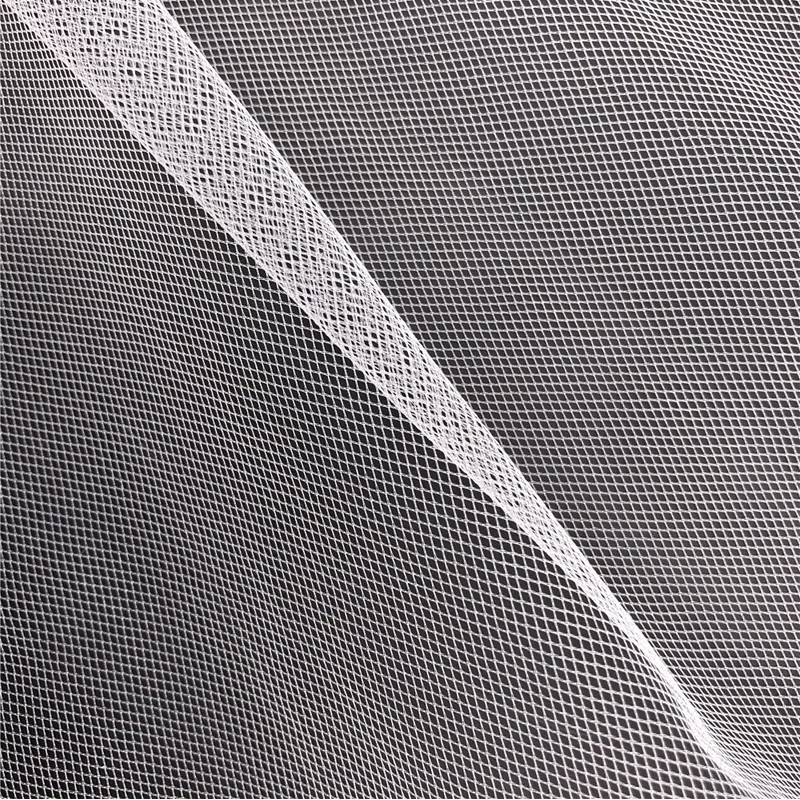
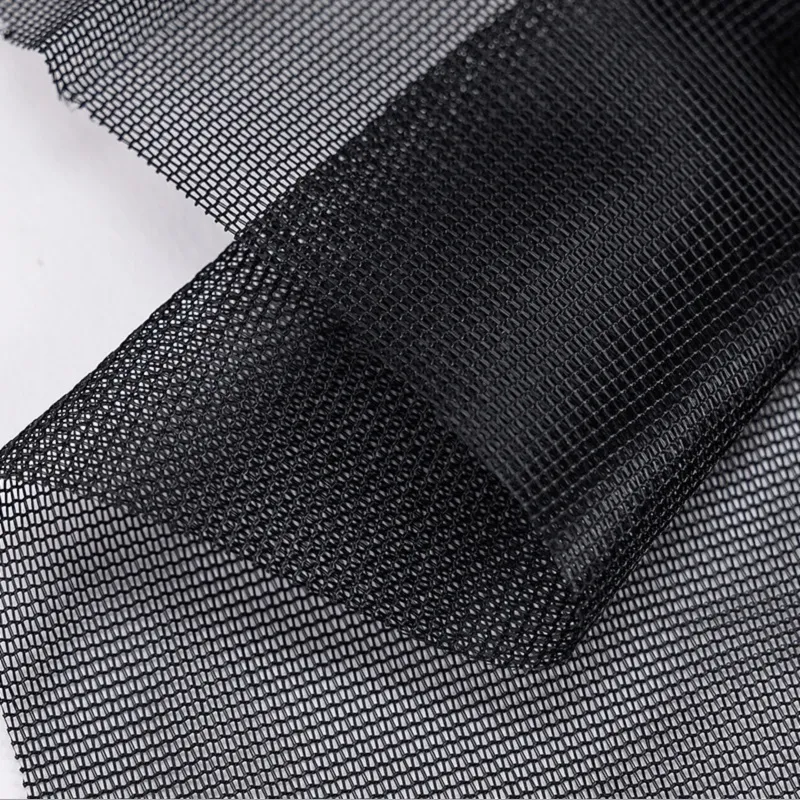
Warp-knitted fabric: Directional elasticity. It usually has some elasticity in the transverse direction, but very little extensibility in the longitudinal direction (lengthwise), giving it a crisper, more stable hand feel. Common examples include mesh fabric, lace, and shirt linings.
Weft-knitted fabric: If the fabric has a broken yarn end, you can pull the entire yarn out along one direction (usually transverse), much like "unraveling a sweater," causing the fabric to ladder. This is known as "snagging" or "laddering."
Warp-knitted fabric: Because multiple yarns form loops simultaneously and interlock with one another, even if one yarn breaks, it is "locked in" by the other yarns, making large-scale unraveling unlikely.
Weft-knitted fabric: Under magnification or with careful visual inspection, you can see that the loops in the same wale are formed by a single yarn continuously bent and interlooped.
Warp-knitted fabric: Along the wale direction, each loop is formed by multiple yarns (warp yarns) bending simultaneously and interlooping with one another.
Characteristic | Warp Knitting | Weft Knitting |
Yarn direction | Yarns fed in the longitudinal (warp) direction; multiple yarns knitted simultaneously | Yarns fed in the transverse (weft) direction; one (or several) yarns knitted successively |
Elasticity | Low longitudinal elasticity, relatively high transverse elasticity; dimensionally stable | Good elasticity in both longitudinal and transverse directions |
Edge | Does not curl after cutting | Distinctly curls after cutting |
Laddering tendency | Resistant to unraveling | Prone to unraveling along one direction (laddering) |
Typical products | Lace, mesh fabric, swimwear, sportswear fabrics, shirt linings, flags | T-shirts, sweaters, hoodies, underwear, socks, gloves |
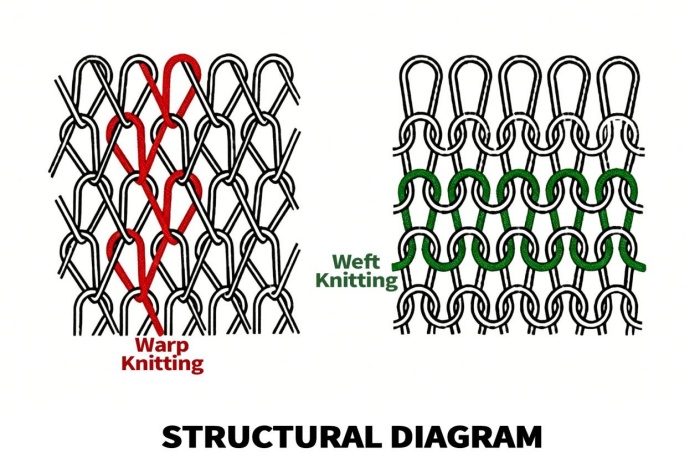
Weft knitting: Like hand-knitting a sweater — using one long strand of yarn, looping back and forth to form a unified whole.
Warp knitting: Like braiding hair or making a fishing net — multiple yarns (like many strands of hair) cross and interlock in a regular pattern simultaneously, forming a stable structure.
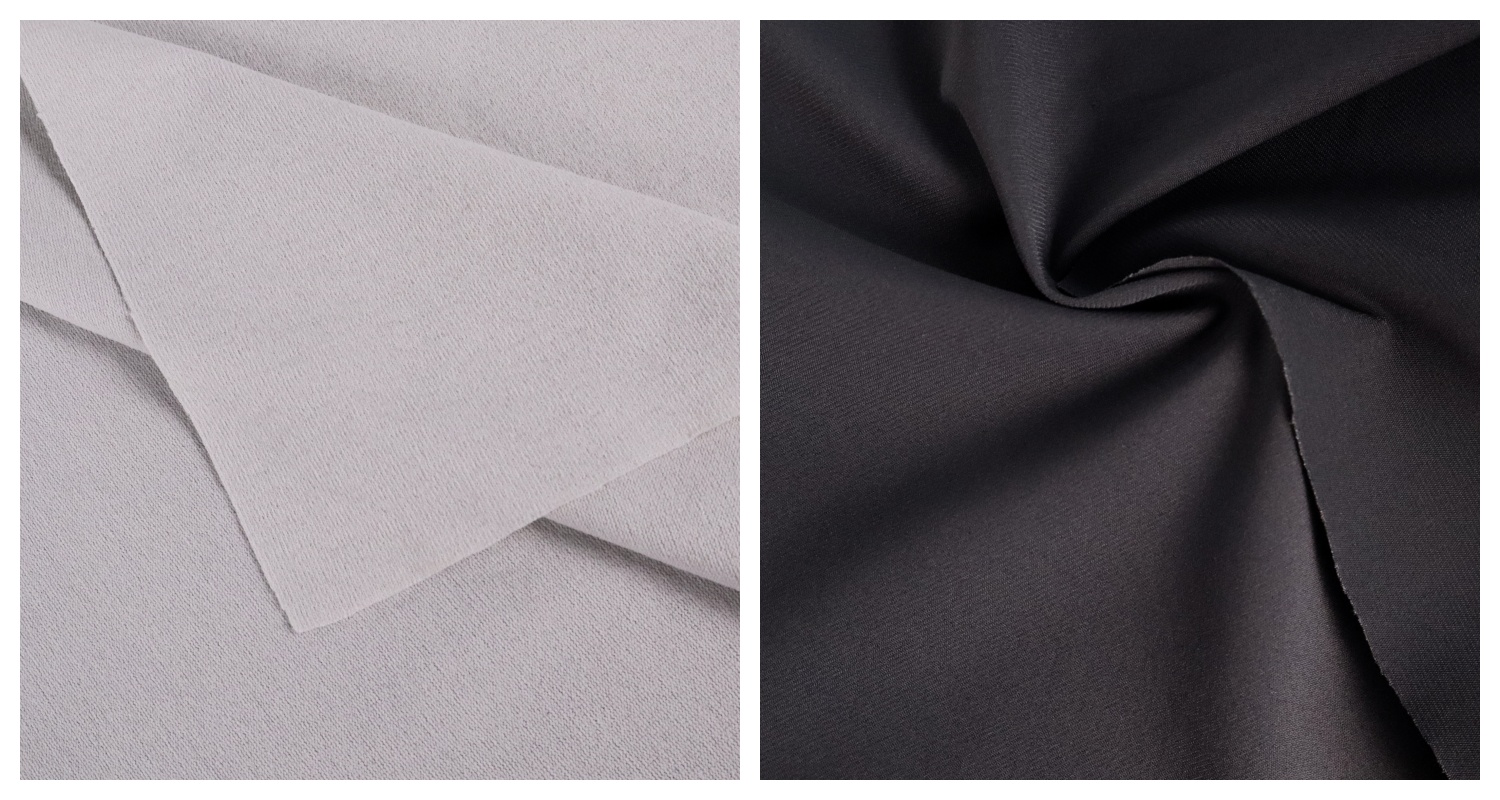
Texstar is one of the exceptional fabric manufacturers with certification. Get a free quote now!