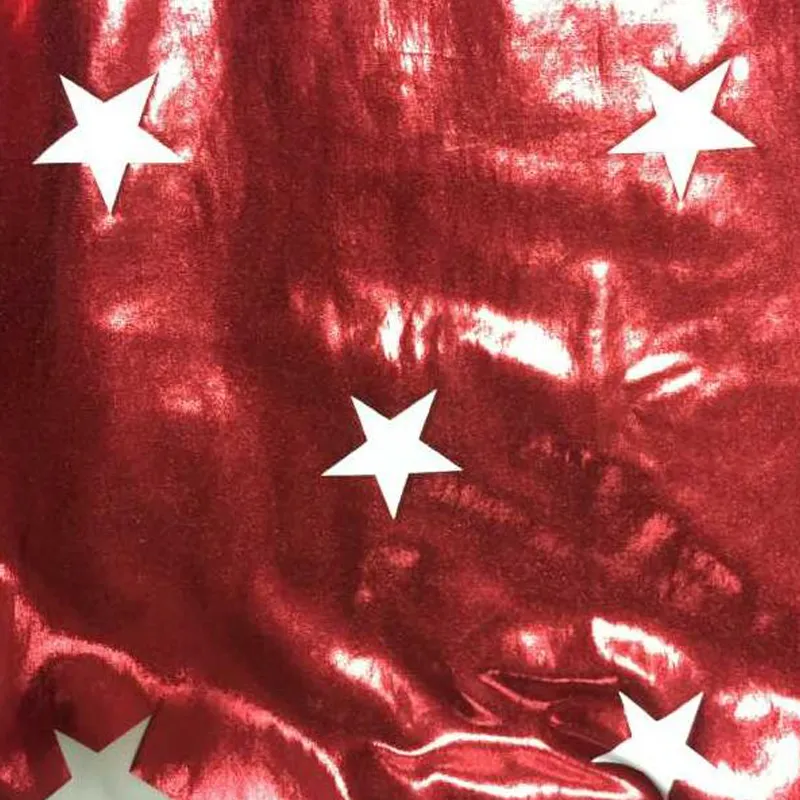
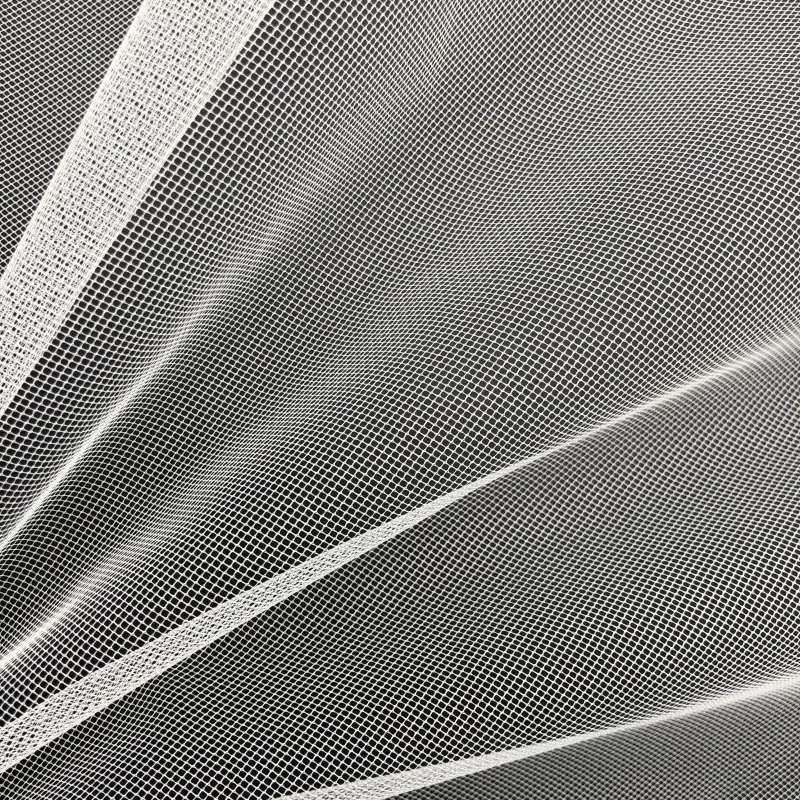
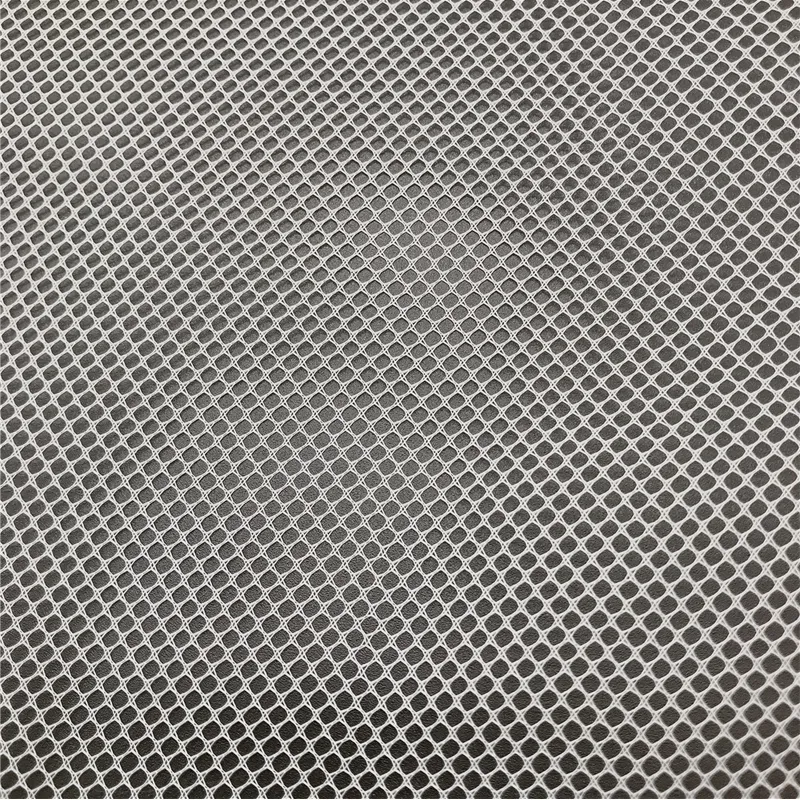
GSM stands for grams per square metre, a metric unit for measuring fabric weight and the standard terminology used across the textile industry to denote fabric areal density, commonly referred to as fabric weight. A higher GSM value indicates thicker, heavier and denser fabric, while a lower GSM corresponds to lighter, thinner material with superior air permeability. When it comes to knitted fabrics, GSM exerts a direct impact on the hand feel, drape and functional performance of finished garments.
GSM also acts as a core factor in cost calculation, as higher-weight fabrics consume more raw yarn and carry elevated material costs. Nevertheless, GSM alone does not determine overall fabric quality; fibre composition, yarn count and weaving/knitting construction are equally critical determinants.
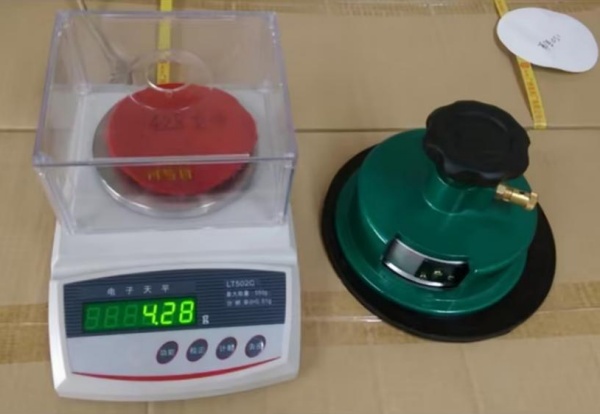
GSM is measured by cutting a fabric swatch of precise area (typically a circular specimen of 100 cm²) with a circular sample cutter, weighing the swatch on a dedicated GSM balance, and converting the reading to grams per square metre. This measurement is vital for quality control: consistent GSM values across an entire fabric roll signify robust production process control. Our factory implements a 5-step QC procedure to guarantee uniform GSM readings, covering inspections from yarn verification through final fabric audit, in full compliance with the AQL 2.5 standard.
GSM directly governs five core functional properties of fabrics: drape, durability, air permeability, opacity and thermal retention. Low-GSM fabrics (120–150 GSM for example) deliver soft fluid drape and excellent breathability, making them ideal for summer tops and activewear. High-GSM variants (240–360 GSM and above) feature stiffer hand feel, enhanced abrasion resistance and superior warmth retention, suited for outerwear and hoodies.
Drape: Lightweight knitted fabrics fall with fluid, elegant drape; heavyweight knits retain their silhouette and offer pronounced structural rigidity.
Durability: Heavier fabrics generally exhibit better abrasion resistance. In abrasion testing, 300 GSM fleece outperforms 150 GSM single jersey in service life.
Air permeability: Low-GSM fabrics facilitate greater air circulation to maintain a cool wearing experience; 150–200 GSM fabrics are widely adopted for activewear.
Opacity: High-GSM fabrics block light transmission effectively. Pale-coloured 180 GSM single jersey may appear semi-sheer, while 240 GSM fabric delivers full coverage.
Thermal retention: Warmth retention rises alongside GSM values. 360 GSM fleece traps more insulating air than 200 GSM interlock fabric.
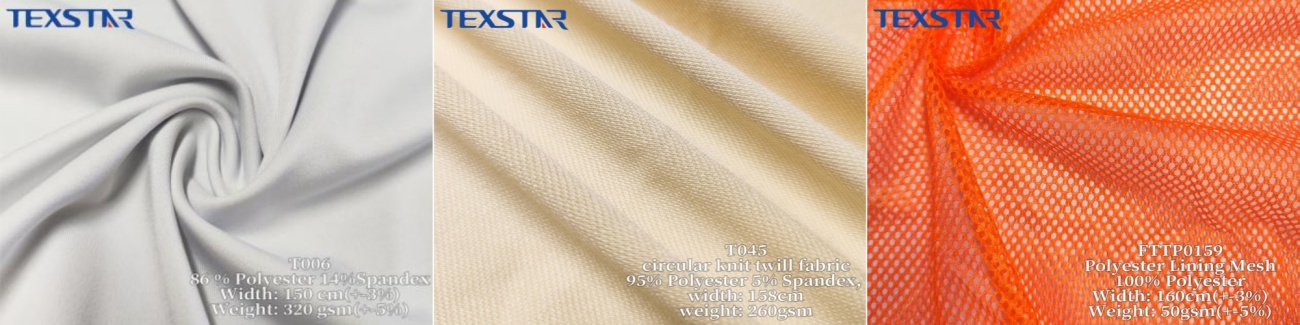
Texstar is one of the exceptional fabric manufacturers with certification. Get a free quote now!