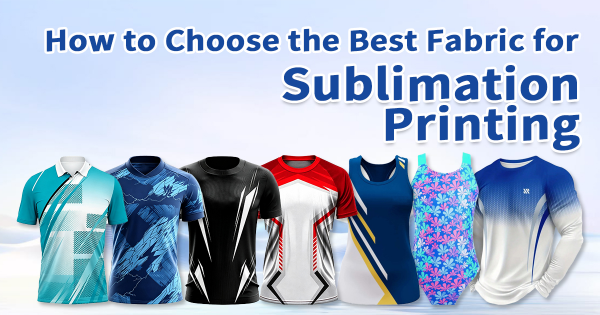
Sublimation printing is a digital printing process that transfers designs onto polyester fabrics using heat. The process turns sublimation ink into a gas without passing through a liquid stage. Heat and pressure then help the ink penetrate the polyester fibers.
Unlike surface printing, sublimation printing becomes part of the fabric rather than forming a layer on top. This creates bright, detailed, and durable prints.
Sublimation printing works especially well with white or light-colored polyester fabrics. It is widely used for sportswear, activewear, team jerseys, flags, promotional clothing, and customized textiles.
Polyester fabric is generally the best choice for sublimation printing. Polyester fibers bond well with sublimation dyes under heat. This helps produce bright colors, sharp details, and durable prints.
For different applications, you can choose from several polyester fabric types:
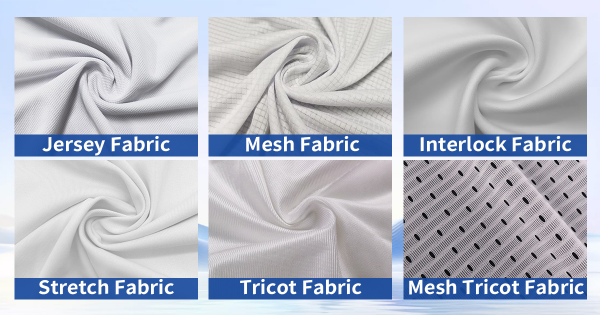
Polyester Jersey Fabric: Soft, lightweight, and comfortable. It works well for T-shirts, sportswear, and casual apparel.
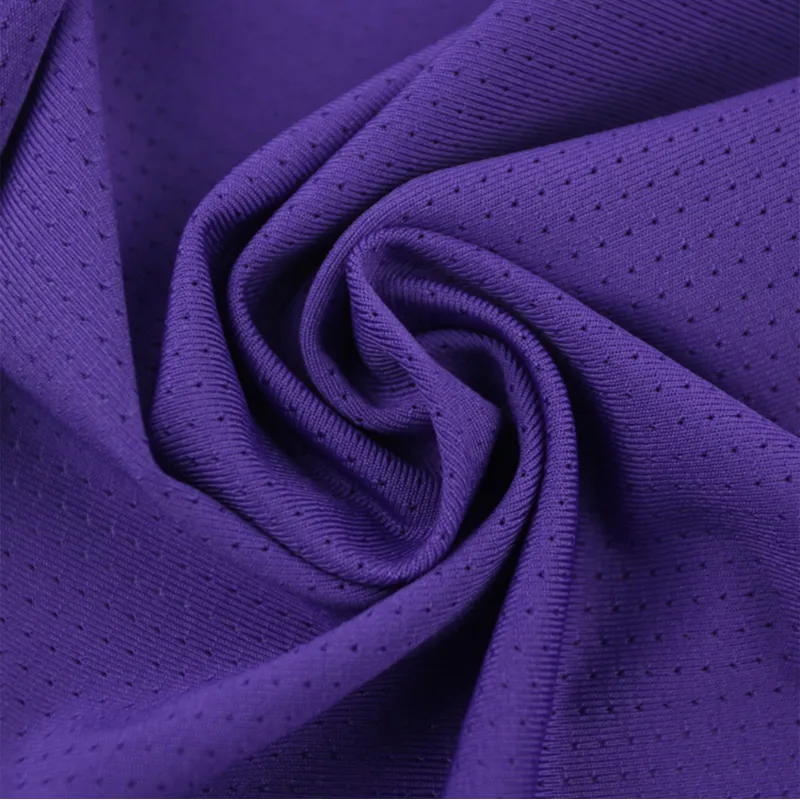
Polyester Interlock Fabric: Smooth and stable with a clean surface. It suits sportswear and activewear with detailed prints.
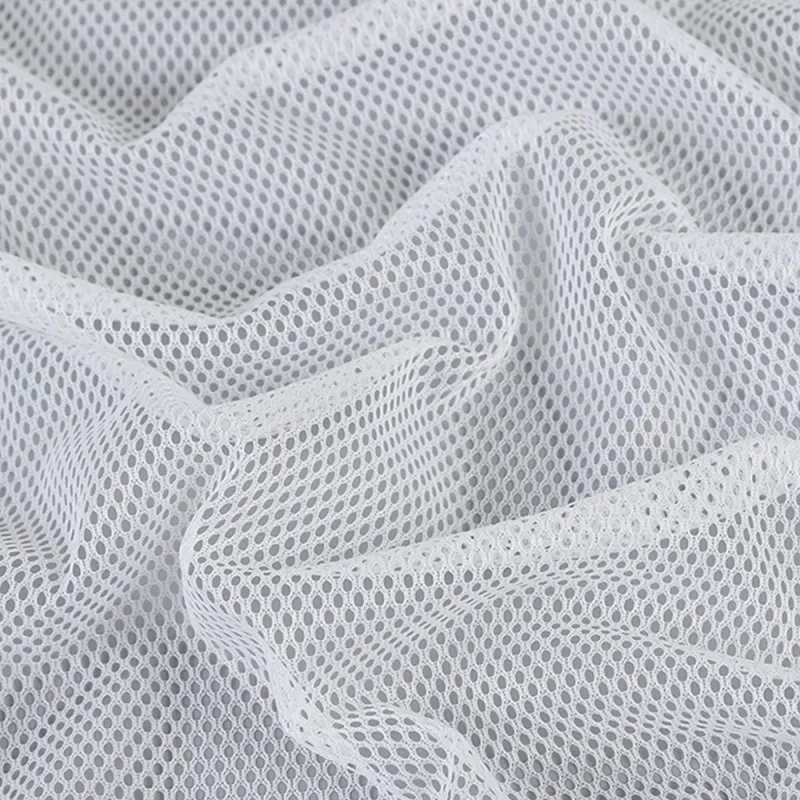
Polyester Mesh Fabric: Lightweight and breathable. It is ideal for sports jerseys, teamwear, and athletic clothing.
Stretch Polyester Fabric: Offers flexibility and recovery. It works well for leggings, activewear, and fitted garments.
l Polyester Tricot Fabric: Smooth and dimensionally stable. It is suitable for sportswear, lining, and other applications requiring a consistent surface.
1. Fiber Content and Color Vibrancy
Fiber content is one of the most important factors. Polyester fabric works best for sublimation printing because sublimation dyes bond well with polyester fibers. Higher polyester content usually helps produce brighter and more consistent colors.
2.Fabric Surface and Print Clarity
A smooth and even fabric surface helps produce sharp images and fine details. Textured or uneven surfaces may affect print definition and color consistency.
3. Fabric Structure and Ink Absorption
Different fabric structures can affect how sublimation ink penetrates the fibers. Jersey, interlock, mesh, and tricot fabrics can produce different visual results.
4. Stretch and Print Quality
Stretch fabrics require careful testing. Excessive stretching can change the appearance of printed designs. Good stretch and recovery help maintain the garment's shape and print appearance.
5. Color and Fabric Base
White or light-colored fabrics are usually preferred for sublimation printing. Since sublimation ink does not provide an opaque white layer, the fabric's base color can affect the final print.
The best sublimation fabric depends on the product, printing requirements, and final use. Polyester fabrics offer excellent dye absorption and work well for many sublimation applications.
Application | Recommended Fabric | Key Benefits |
Sports Jerseys | Polyester Mesh | Lightweight, breathable, and suitable for detailed graphics |
Teamwear | Polyester Jersey | Soft, comfortable, and easy to customize |
Activewear | Polyester Interlock | Smooth, stable, and comfortable |
Leggings | Stretch Polyester | Flexible with good stretch and recovery |
T-Shirts | Polyester Jersey | Lightweight, soft, and suitable for all-over printing |
Sportswear | Polyester Tricot | Smooth surface and good dimensional stability |
Flags & Banners | Polyester Flag Fabric | Lightweight and suitable for vibrant graphics |
Promotional Clothing | Polyester Fabric | Cost-effective and suitable for customized designs |
Texstar is one of the exceptional fabric manufacturers with certification. Get a free quote now!