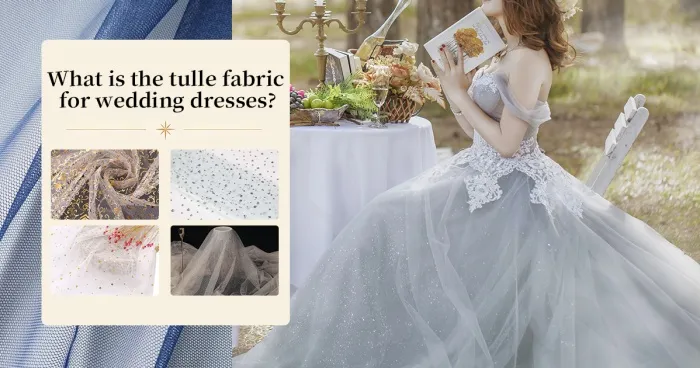
Sourcing the right tulle fabric for your wedding dress collection is rarely a one-size-fits-all decision. There is no single "best" tulle — only the tulle that best matches each bridal gown silhouette, target market, and production requirements. Whether you're developing soft, flowing veils or structured ball gown skirts, the type, weight, and finish of your tulle directly shape the drape, volume, and perceived value of every wedding dress in your line.
In this guide, we break down the most in-demand tulle options — from soft and nylon tulle to glitter, sequin, foil, and rhinestone varieties — comparing hand feel, GSM, and ideal applications, so your team can specify the right tulle fabric for every bridal gown design with confidence.
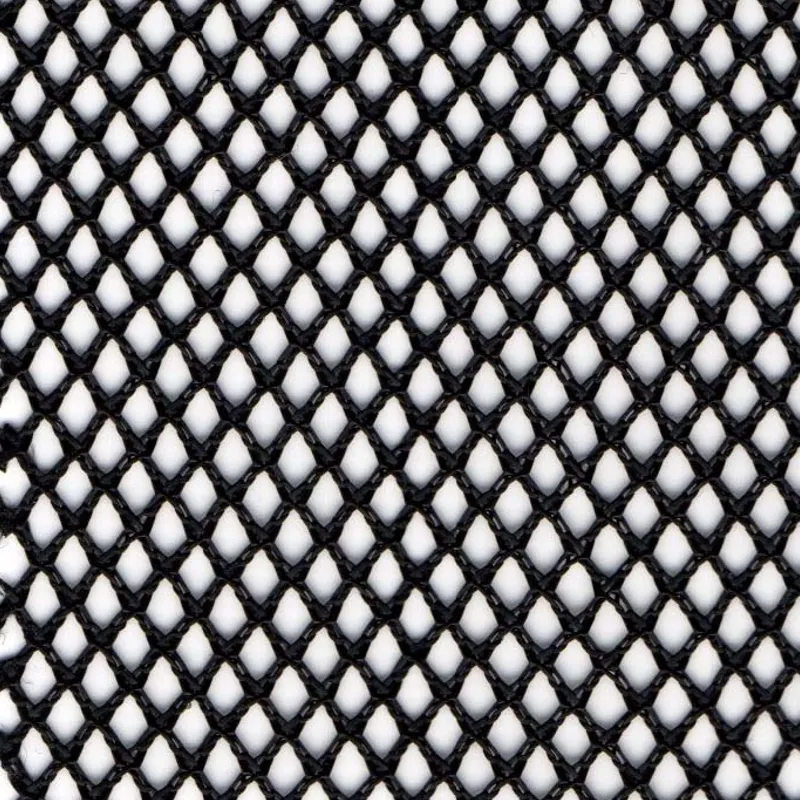
Tulle is a lightweight, sheer fabric with an open mesh structure. It is commonly made from polyester or nylon yarns. The fabric can have different levels of softness, stiffness, transparency, and drape depending on its yarn, mesh construction, weight, and finishing.
Tulle is widely used in wedding dresses because it creates a light, elegant, and layered appearance. Designers use different types of tulle for wedding dress skirts, veils, sleeves, overlays, and decorative details.
Soft tulle provides a gentle and flowing effect, while stiffer tulle adds volume and structure. Decorative options such as glitter, foil, sequins, and rhinestones can also create a more luxurious bridal look.
Soft tulle has a lightweight construction, soft hand feel, and fluid drape. It creates a delicate and romantic appearance, making it suitable for wedding veils, sleeves, overlays, and flowing skirt layers.
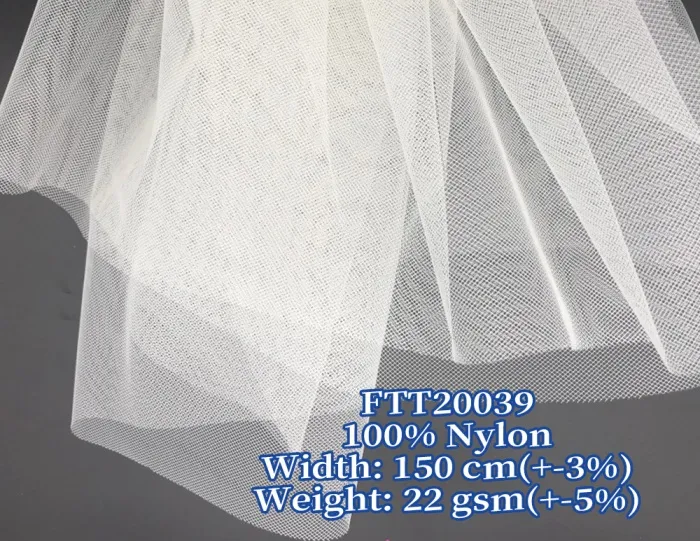
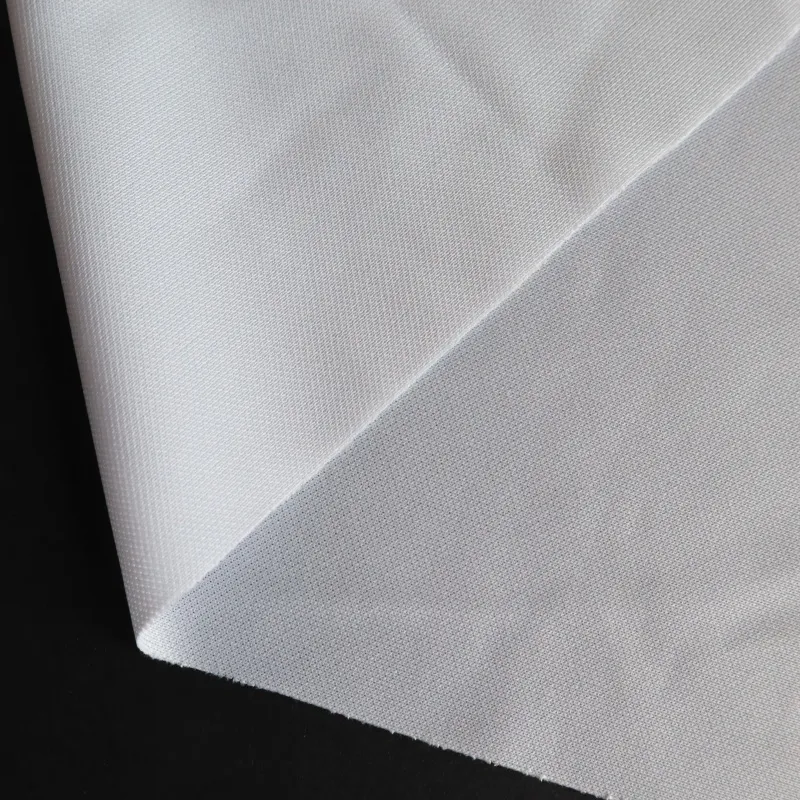
Hard tulle has a firm structure and provides excellent volume and shape retention. It is commonly used for ball gown skirts, petticoats, layered skirts, and structured wedding dresses.
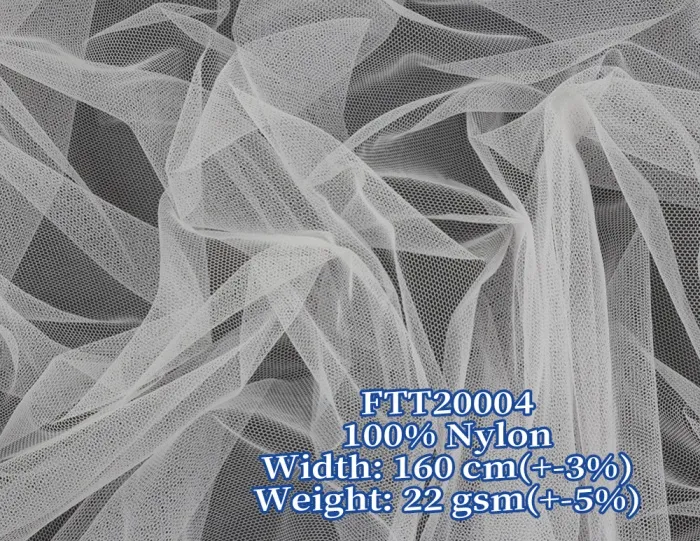
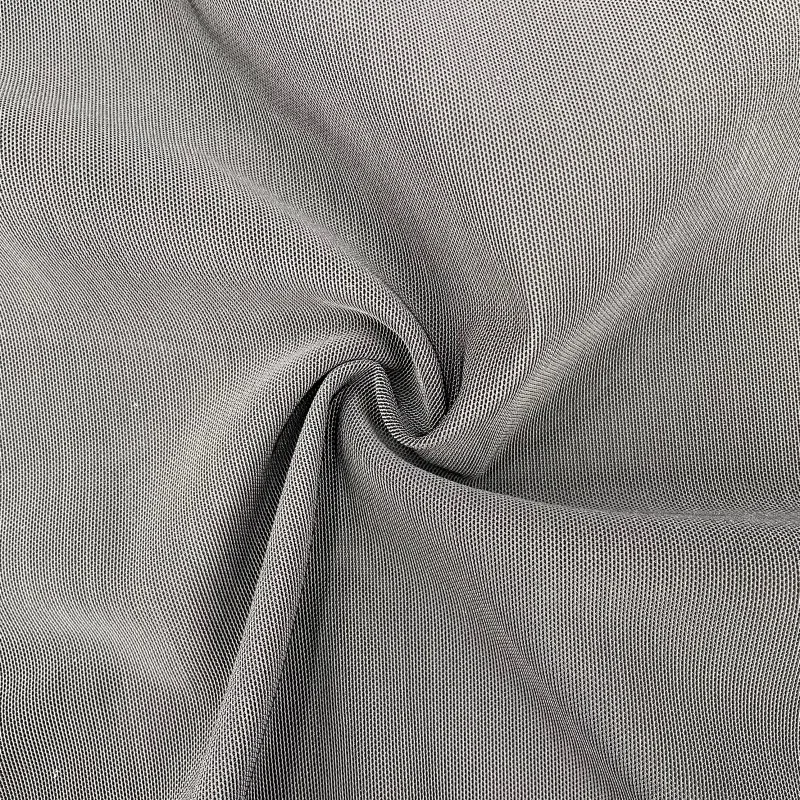
Nylon tulle is lightweight, smooth, and naturally sheer. Fine nylon tulle is especially suitable for wedding veils, delicate sleeves, and lightweight bridal overlays.
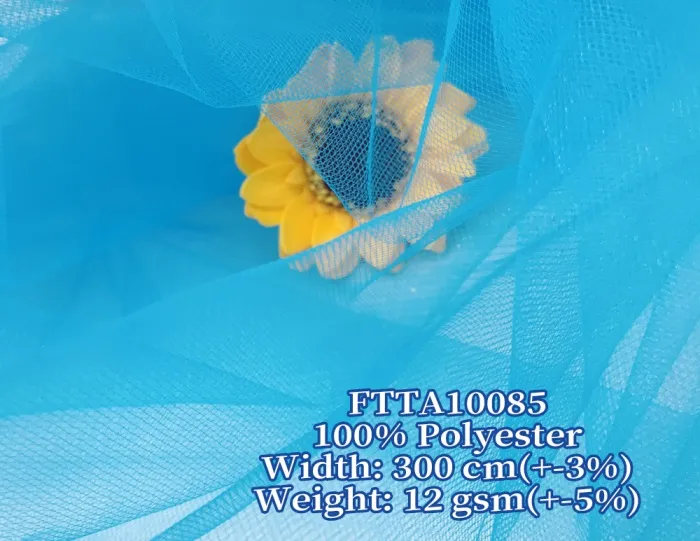
Polyester tulle offers versatile performance and can be produced in different weights, structures, colors, and finishes. It is widely used for wedding dress skirts, overlays, veils, and decorative bridal applications.
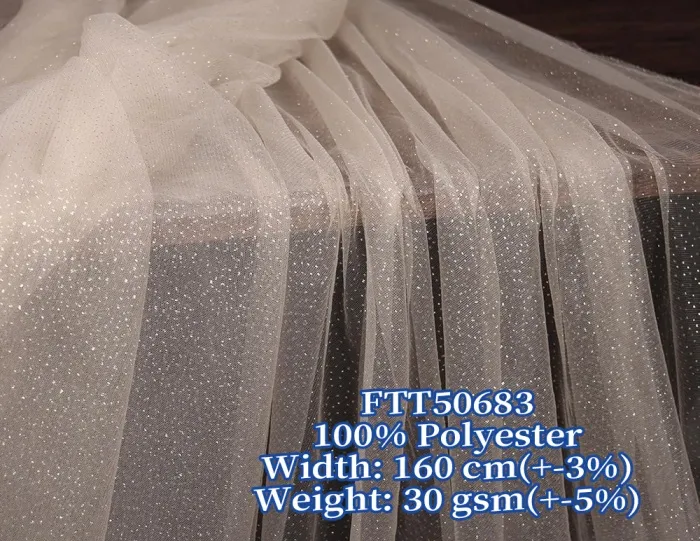
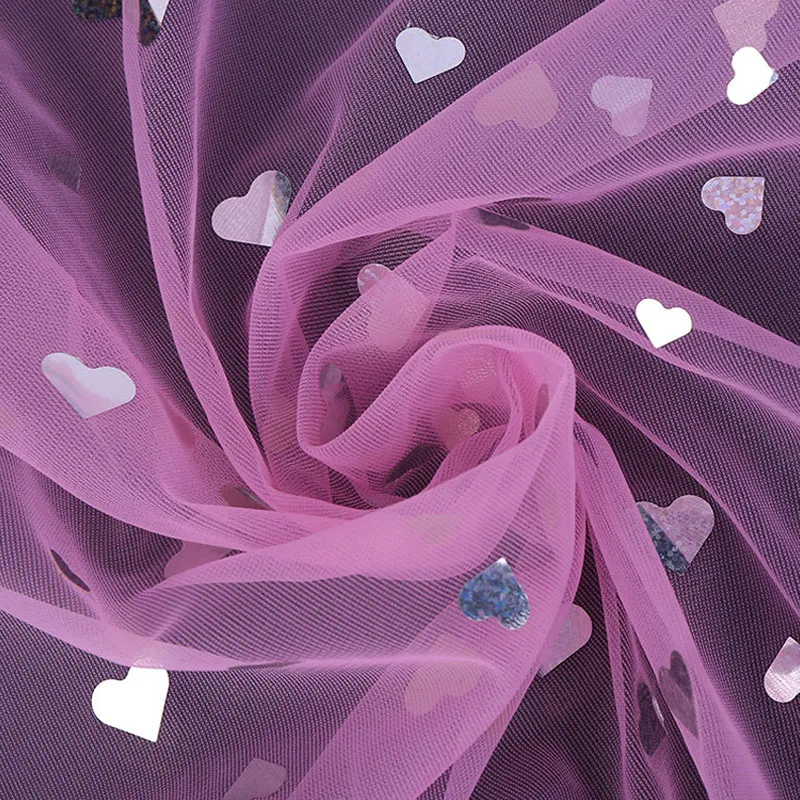
Glitter tulle adds a sparkling effect to the surface while maintaining the lightweight appearance of tulle. It is ideal for glamorous wedding dresses, bridal skirts, overlays, and evening gowns.
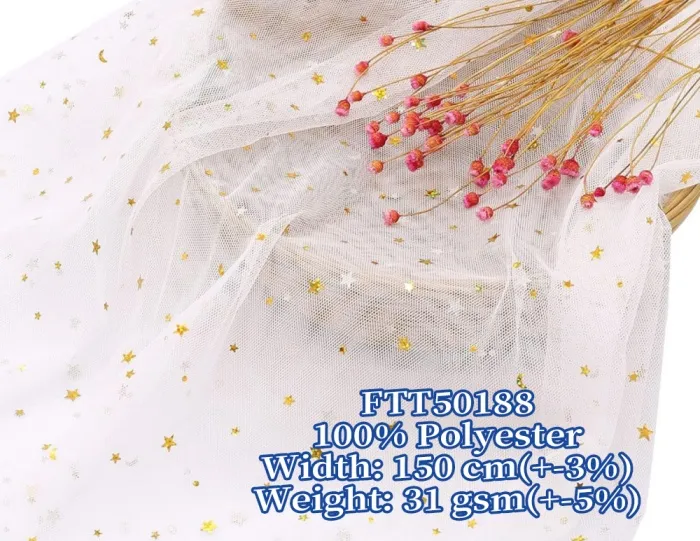
Sequin tulle combines a sheer mesh base with sequin embellishments for a dimensional and eye-catching effect. It works well for statement wedding dresses, bodices, skirts, sleeves, and fashionable bridal designs.
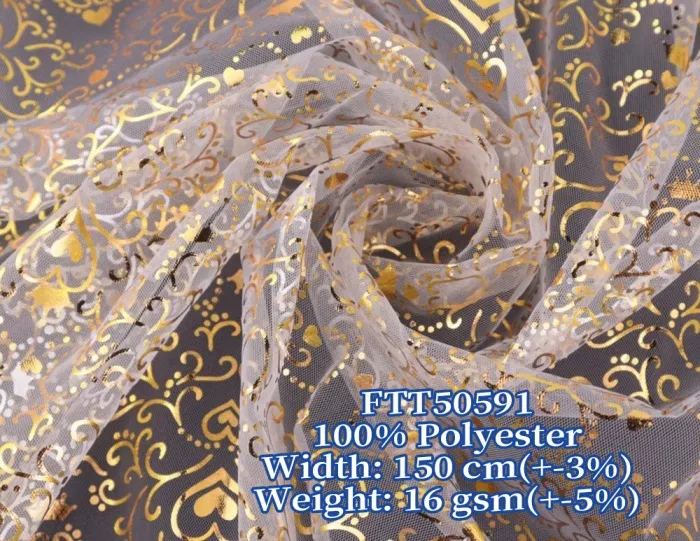
Foil tulle features a reflective or metallic finish that creates a shimmering visual effect. It can be used for wedding dress overlays, skirts, sleeves, and modern bridal designs.
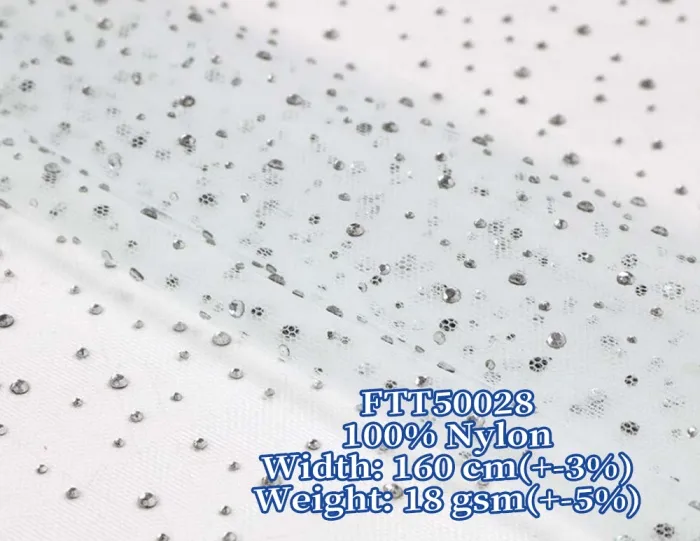
Rhinestone tulle combines a sheer tulle base with rhinestone embellishments to create an elegant and luxurious appearance. It is suitable for bridal bodices, sleeves, skirts, veils, and decorative panels.
Tulle Type | Hand Feel | Best For | Main Effect |
Soft Tulle | Soft & smooth | A-line dresses, veils, sleeves, overlays | Flowing and romantic |
Hard Tulle | Firm & crisp | Ball gowns, princess dresses, petticoats | Full and voluminous |
Nylon Tulle | Lightweight & smooth | Veils, sleeves, delicate layers | Sheer and delicate |
Polyester Tulle | Versatile | Skirts, overlays, veils, decorations | Flexible and practical |
Glitter Tulle | Soft–Medium | Glamorous gowns, skirts, overlays | Sparkling and elegant |
Sequin Tulle | Medium | Statement gowns, bodices, skirts | Eye-catching and dimensional |
Foil Tulle | Smooth | Modern gowns, overlays, skirts | Shimmering and reflective |
Rhinestone Tulle | Medium | Luxury gowns, bodices, veils | Luxurious and sparkling |
GSM refers to the weight of fabric per square meter.
For tulle, GSM affects its hand feel, drape, volume, and structure. The right weight depends on the wedding dress style and the desired effect.
Lightweight Tulle
Lightweight tulle creates a soft and airy appearance. It provides excellent drape and works well for wedding veils, sleeves, overlays, and delicate skirt layers.
Medium-Weight Tulle
Medium-weight tulle provides a balance between softness and structure.It can create moderate volume while maintaining a comfortable drape.
It is suitable for A-line wedding dresses, layered skirts, overlays, and versatile bridal designs.
Heavyweight Tulle
Heavyweight tulle provides greater body and structure. It can hold its shape and create a fuller silhouette.
It is commonly used for ball gowns, princess-style dresses, petticoats, and voluminous wedding
Both can work well for wedding dresses. Nylon tulle is often chosen for its soft and lightweight feel, while polyester tulle offers versatility and cost-effective options for bulk production.
Hard or firm tulle is suitable for full skirts because it provides stronger structure and volume. Multiple layers can create additional fullness and depth.
There is no single ideal GSM for every wedding dress. Lightweight tulle works well for veils and delicate layers, while medium- and heavyweight tulle can provide more volume and structure.
Texstar is one of the exceptional fabric manufacturers with certification. Get a free quote now!