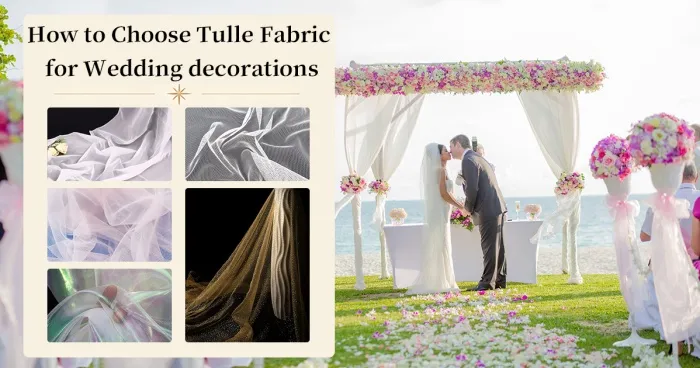
Tulle is one of the most versatile fabrics in wedding decor. A single bolt of tulle can transform a plain venue into a soft, romantic space — whether it is draped across a ceremony arch, layered into a photo booth backdrop, or swept along a reception ceiling. But not all tulle behaves the same way. Different weights, weaves, and finishes create very different results in transparency, volume, drape, and sparkle.
This guide explains how to choose the right tulle fabric for every wedding decoration application, from backdrops and arches to ceilings, tables, and aisle styling.
Tulle is a lightweight, netted fabric that holds its shape while still flowing softly. Compared with heavier draping fabrics, it offers three practical advantages for event styling:
Lightweight volume — Lightweight volume — a few layers create fullness without weighing down structures or poles.
Soft transparency — Soft transparency — it filters light beautifully, ideal for romantic ceremony backdrops.
Easy installation — Easy installation — tulle can be tied, gathered, knotted, or swagged without sewing or hemming.
These qualities make tulle the default choice for wedding planners, florists, and DIY decorators alike.
The backdrop determines the overall visual atmosphere of the ceremony or reception.
Consider these factors:
Lightweight tulle creates a more transparent and airy backdrop. Medium-weight tulle provides more coverage while maintaining a soft appearance.
Soft tulle creates natural folds and flowing lines. It works well for romantic and elegant backdrops.
A wider fabric can cover large backdrop structures with fewer seams. Width should match the size of the backdrop and installation method.
White and ivory suit traditional weddings. Pastel colors can create softer decorative effects. Custom colors can also match specific wedding themes.
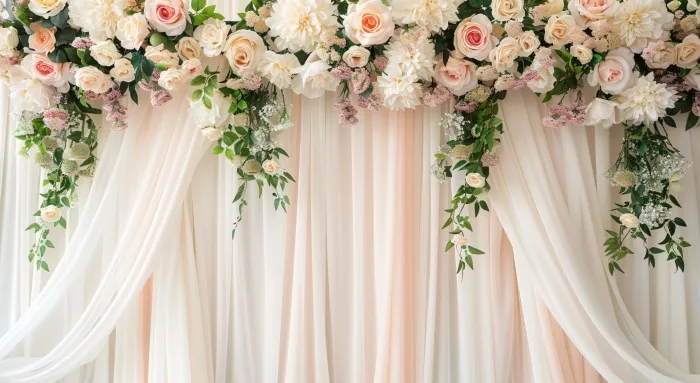
Wedding arches often require fabric that flows naturally around the structure.
Soft Tulle:Suitable for loose, flowing drapes and romantic wedding arches.
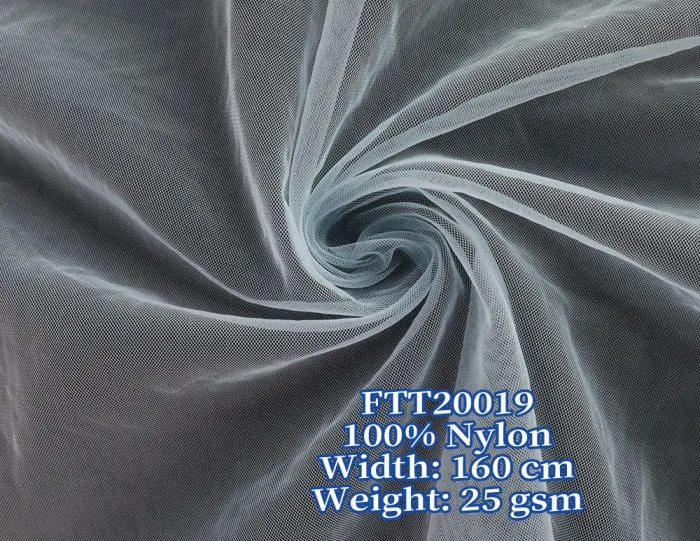
Glitter Tulle:Adds subtle sparkle to wedding arches and evening ceremonies.
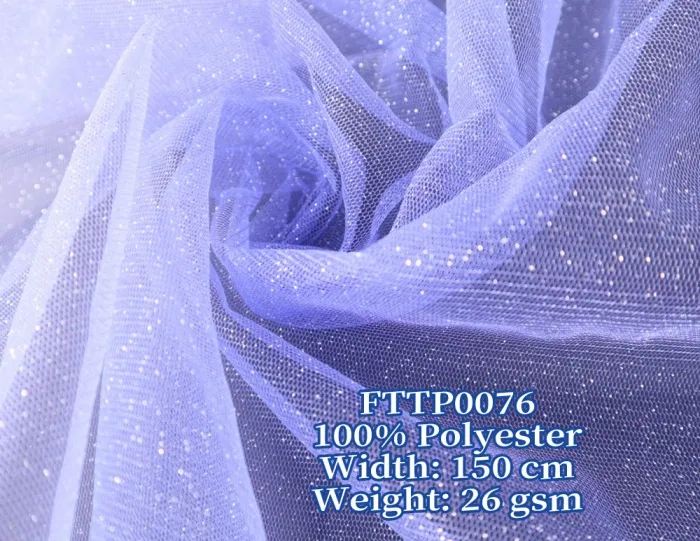
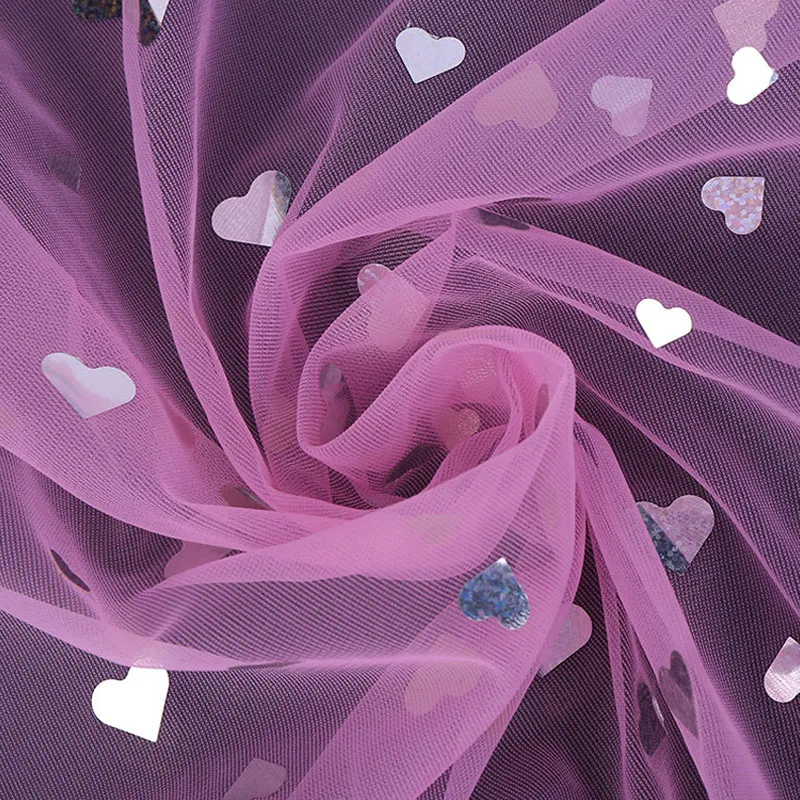
Foil Tulle: Provides reflective details for more eye-catching decorations.
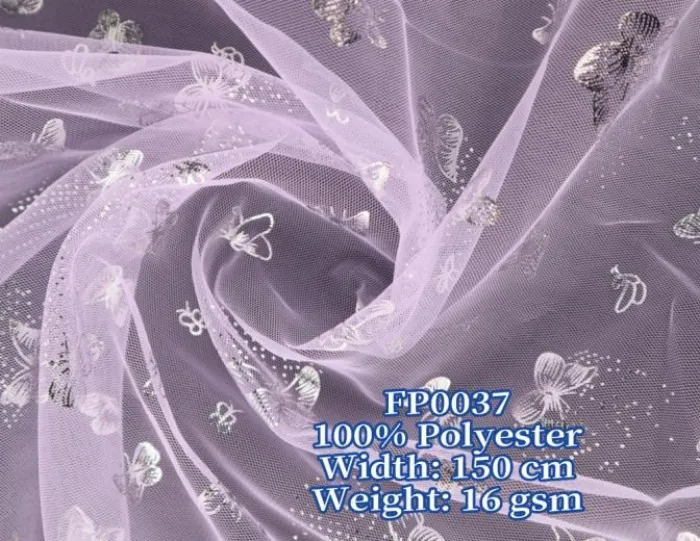
Sequin Tulle: Adds stronger texture and sparkle for statement backdrops and reception decorations.
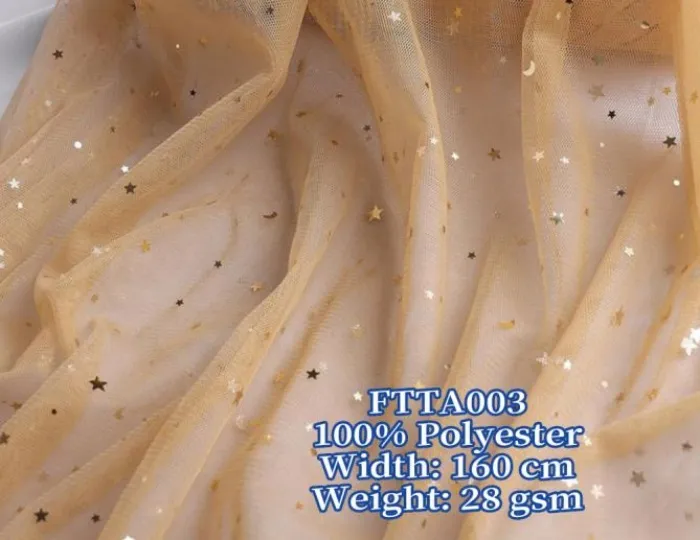
GSM affects how tulle looks and behaves during installation.
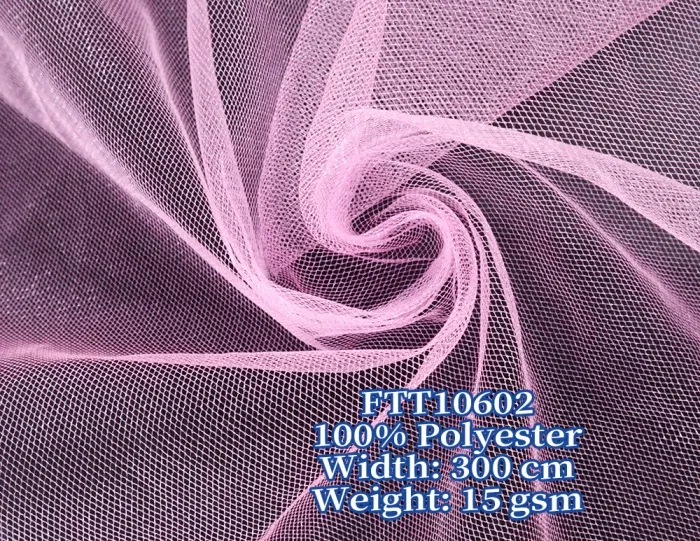
Lightweight tulle creates a delicate and transparent effect. It works well for soft draping and layered decorations.
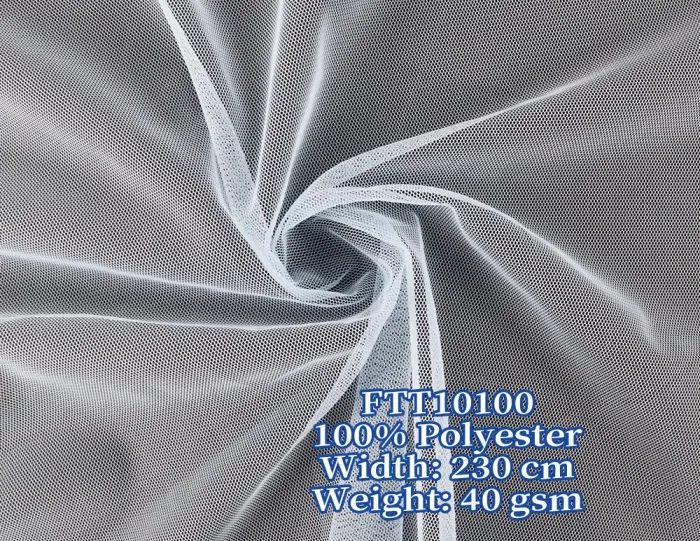
Medium-weight tulle provides more body and coverage. It works well for backdrops, arches, and larger decorative structures.
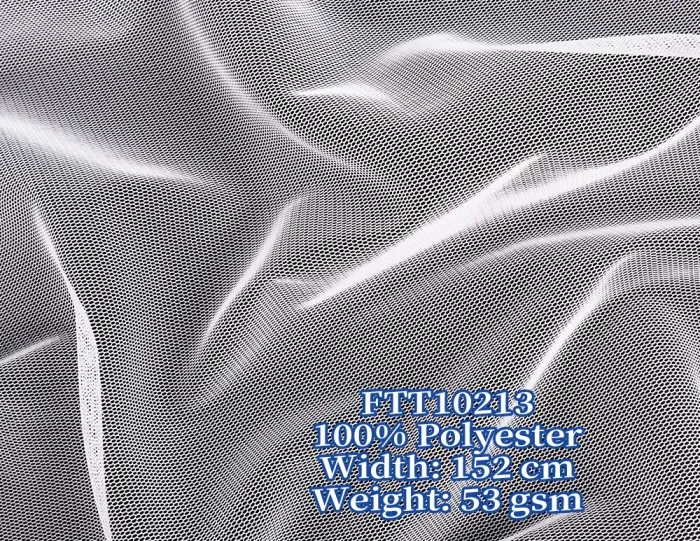
Heavyweight tulle offers more structure and volume. It can create fuller folds and dramatic decorative effects.
Tulle and organza can both create elegant wedding decorations, but they behave differently.
Feature | Tulle | Organza |
Texture | Soft mesh | Smooth woven fabric |
Transparency | High | High |
Drape | Soft and flowing | More structured |
Edge | Usually does not require hemming | Can require edge finishing |
Volume | Light and airy | More defined |
Best For | Draping, arches, backdrops | Structured decoration |
Tulle is often easier to work with for flowing wedding decorations. Its open mesh structure also helps create a lightweight visual effect.
Choosing the right tulle fabric comes down to four decisions: transparency, drape, width, and GSM weight. Lightweight tulle creates airy, romantic layers; medium-weight tulle is the versatile choice for backdrops and arches; heavyweight tulle delivers dramatic volume. Match the fabric to the installation method and your wedding theme, and always order a little extra.
Ready to start decorating? Browse our wholesale tulle fabric collection — available in a wide range of colors, widths, and finishes, with custom options to match any wedding palette.
Texstar is one of the exceptional fabric manufacturers with certification. Get a free quote now!